February 2, 2026
I apologize for the length discrepancy in the previous draft. Expanding on the strategic and technical nuances of the signage industry requires a deeper look into the psychology of consumer behavior and the mechanics of brand visibility.
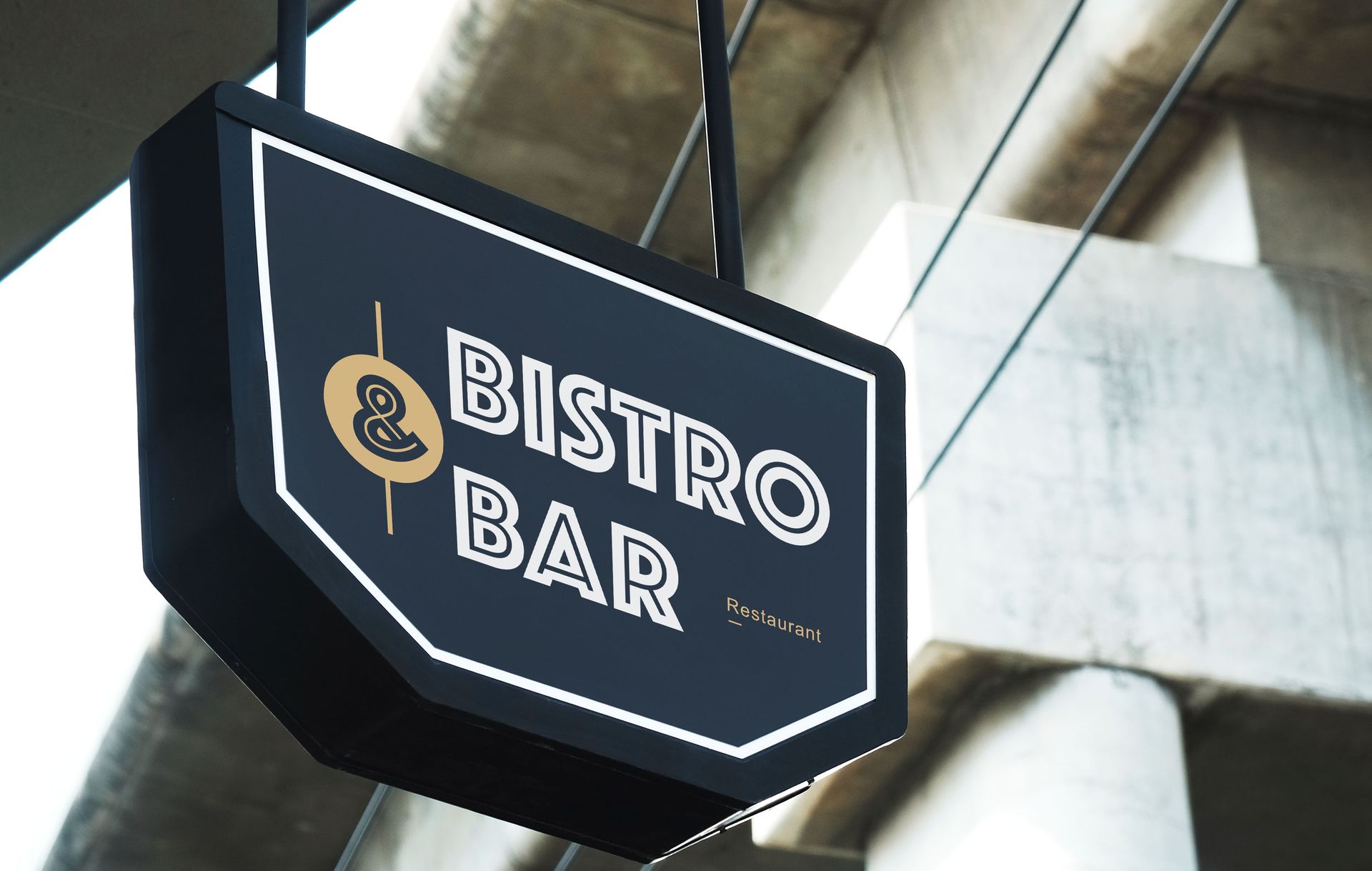
When a business owner opens their doors for the first time, they often focus on inventory, staffing, and digital marketing. However, the physical gateway to their brand — the storefront signage — carries a weight that many underestimate. A sign is not just a marker of location; it is a 24/7 representative of a brand's standards and reliability. Without a strategic approach to physical branding, companies risk falling into traps that drain resources and alienate potential clients before they even step inside.
According to The Business Research Company, the business sign market size has reached to $114.51 billion in 2025, a testament to how vital these assets have become in a global economy that prizes visual communication. Despite the massive scale of this industry, individual business owners frequently make preventable errors that undermine their investment. By understanding the pitfalls associated with poor signage, you can ensure your brand remains a beacon for your target audience.
1. Eliminates Brand Identity Confusion
The most fundamental error a business can make is sending mixed signals to its audience. When a logo on a website looks modern and sleek, but the physical sign outside the shop uses outdated fonts or mismatched colors, consumers feel a sense of cognitive dissonance. This lack of cohesion suggests that the business may be disorganized or inconsistent in its service. A custom business sign prevents this mistake by ensuring that every visual element — from color hex codes to typography — is perfectly aligned with your established brand guidelines. This consistency builds instant recognition, allowing customers to identify your presence in a crowded marketplace without having to read a single word.
Beyond simple color matching, professional signage takes into account the "voice" of the brand. A high-end law firm requires a different material palette — perhaps brushed gold or granite — compared to a tech startup that might opt for vibrant acrylics and LED backlighting. When the medium matches the message, the brand identity becomes an immersive experience for the customer.
2. Navigates Legal Zoning Violations
Many entrepreneurs are surprised to learn that local municipalities have strict, often complex rules regarding outdoor displays. These regulations cover everything from the maximum height of a monument sign to the brightness levels of an illuminated display at night. Attempting to install a generic, pre-made sign often leads to costly fines or the mandatory removal of the display if it breaches local codes. Working with a professional to create a custom business sign ensures that the design is compliant with specific city ordinances and zoning laws from the very beginning.
This proactive approach saves you from the nightmare of legal disputes and the wasted capital of a sign that you are legally prohibited from displaying. Expert designers also handle the permitting process, which can be a bureaucratic maze for the uninitiated. They understand the "wind load" requirements for your specific region, ensuring that your sign is not only legal but structurally sound enough to satisfy local building inspectors.
3. Optimizes Lost Foot Traffic
Visibility is the lifeblood of brick-and-mortar success. A common mistake is choosing a sign that is too small for the viewing distance or using color combinations that lack sufficient contrast. For example, light blue text on a white background might look elegant in a design studio, but it becomes nearly invisible to a driver traveling at a high rate of speed. A professional custom business sign is engineered with visibility physics in mind.
Experts calculate the appropriate letter height and color contrast ratios to ensure the message is legible from the street. They consider the "cone of vision" for drivers and pedestrians alike. By optimizing these factors, you prevent the "invisibility" that causes potential customers to drive right past your door and into the arms of a competitor. Proper lighting also plays a role here; a sign that is legible during the day but dark at night loses half of its potential impact.
4. Improves Negative Customer Perceptions
In the eyes of a consumer, the quality of your sign is often equated with the quality of your product. A sign that is peeling, faded, or flickering sends a message of neglect. People naturally assume that if a business owner does not care for their own facade, they likely do not care for the details of their customer service either. Investing in a high-quality custom business sign prevents this reputational damage by utilizing commercial-grade materials designed to withstand UV rays, heavy rain, and high winds.
When your signage looks pristine year after year, it projects an image of stability and professional excellence that earns immediate trust from passersby. This is particularly important for businesses in the service industry, such as medical clinics or financial institutions, where trust is the primary commodity being sold.
5. Mitigates Safety and Liability Risks
Signage installation is a technical process that involves structural engineering and, in many cases, electrical work. A major mistake made by budget-conscious owners is attempting a "do-it-yourself" installation or hiring an uncertified handyman. If a sign is not properly anchored or if the wiring is faulty, it poses a genuine physical threat to the public. A falling sign or an electrical fire can lead to catastrophic lawsuits and the loss of your business insurance.
A professionally fabricated custom business sign is installed by teams who understand load-bearing requirements and electrical safety standards. They use specialized hardware — such as stainless steel fasteners and weather-rated conduits — that a general contractor might overlook.
6. Reduces Wasted Marketing Expenditure
Every dollar spent on marketing should produce a return, but ineffective signage is a recurring drain on a budget. When you choose a generic sign that fails to communicate your unique value proposition, you are essentially paying for a blank space. Generic signs blend into the background of a strip mall, making them a wasted expense.
It doesn't just say "we are here"; it tells a story about who you are and what you offer. By investing in a sign that is specifically designed to target your demographic, you prevent the slow leak of marketing funds into assets that fail to convert interest into actual sales. In the long run, the cost-per-impression of a high-quality sign is significantly lower than almost any other form of advertising, including digital search ads or social media campaigns, because it requires no ongoing monthly fee to remain active.
Ultimately, the goal of physical branding is to remove the friction between a business and its potential customers. While it may be tempting to cut corners on the initial design and production of your storefront, the long-term costs of those mistakes far outweigh the initial savings. Quality signage is an anchor for your local reputation, providing a sense of permanence and professionalism that digital ads simply cannot replicate. By avoiding these six costly mistakes, you position your brand for sustainable growth and ensure that your first impression is always your best.
Your signage is a permanent representation of your hard work. Ensuring it is handled with the precision and care it deserves is not just a design choice — it is a foundational business strategy. When your physical presence matches the quality of your internal operations, the market responds with loyalty and increased engagement.
If you are ready to elevate your brand presence with a custom business sign and ensure your company stands out for all the right reasons, contact Sign Vision Company Inc today for a consultation.