March 11, 2026
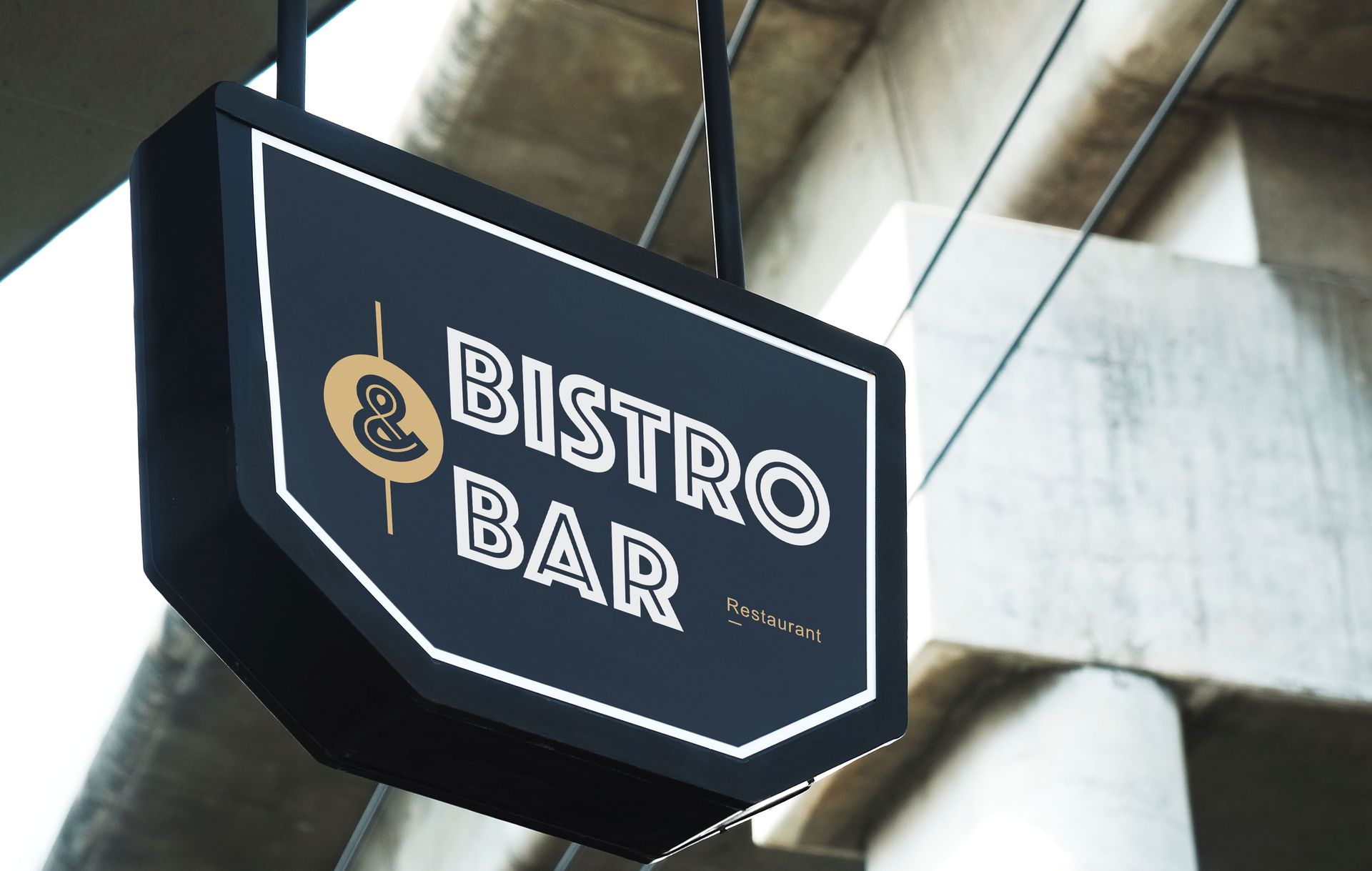
Did you know that sign companies play a pivotal role in transforming abstract branding concepts into tangible representations? According to IBISWorld, the U.S. had over 39,640 sign and banner shop businesses in 2024. These firms offer comprehensive services that range from initial brainstorming to final installation, ensuring that every aspect of the process aligns with the brand's identity and goals. By understanding each critical phase, businesses can appreciate how a well-crafted sign contributes to brand visibility and consumer perception. These processes not only strengthen brand identity but also ensure that signage effectively communicates the intended message to target audiences.
Designing the Signage
Creative Brainstorming
Creative brainstorming sessions are integral to the design process, facilitating the generation of fresh and innovative signage concepts. These sessions promote collaboration and creativity among designers, clients, and stakeholders. During brainstorming, diverse ideas are explored, pushing the boundaries of conventional design to produce something unique and effective. The goal is to create a design that not only meets the functional needs but also captures the brand's spirit and message. These collaborative efforts often lead to breakthrough ideas that set a brand apart from its competitors.
Graphic Design and Drafting
Once the creative foundation is laid, the graphic design and drafting phase begins. This involves the technical and artistic process of translating ideas into visual drafts. Graphic designers use advanced software to create detailed and precise drawings that embody the initial concepts. These drafts undergo various iterations and refinements based on feedback and further insights. This phase is crucial as it converts abstract ideas into concrete visuals that will serve as the blueprint for the final product.
Material Selection
Selecting the appropriate signage materials is a key decision in the design process, impacting both aesthetics and durability. The choice of materials should align with the brand, intended placement, and environmental conditions. Sign companies offer expertise in choosing materials that enhance the design while ensuring longevity and weather resistance. By aligning material selection with brand values, such as sustainability, companies can further reinforce their brand image. The right materials not only uphold the visual appeal but also contribute to the overall effectiveness of the signage.
Feedback and Revisions
The feedback and revision stage is critical to refining the signage design to meet client expectations. Clients are encouraged to provide feedback on preliminary drafts, allowing for necessary adjustments and enhancements. This iterative process ensures that the final design aligns with the client's vision and brand objectives. Unbiased feedback can also reveal valuable perspectives that enhance the design. Such collaborative refinement not only assures client satisfaction but also produces a high-quality final product that effectively conveys the desired brand message.
Manufacturing the Signage
Prototyping and Mockups
Prototyping and mockups are essential in visualizing how the final signage will appear. These initial models allow clients and designers to assess the dimensions, aesthetics, and functionality of the sign before full-scale production. Sign companies create prototypes using various techniques to demonstrate the sign's real-world application. This stage allows for any necessary adjustments to be made early, minimizing costly revisions later in the process. By providing a tangible preview, prototypes help in setting clear expectations and ensuring alignment on the final product.
Advanced Manufacturing Techniques
Modern sign manufacturing utilizes advanced techniques such as CNC machining and 3D printing to achieve precision and efficiency. These technologies facilitate the creation of intricate designs and complex shapes that would be challenging to produce by traditional methods. The integration of these advanced techniques ensures high-quality, durable signs that can withstand environmental factors and prolonged usage. Such manufacturing methods enable customization and innovation, offering clients more creative freedom and potential for differentiation. By investing in advanced manufacturing, sign companies can deliver superior products that meet evolving industry standards.
Quality Control
Quality control is a critical component of the manufacturing process, ensuring that every sign meets the highest standards. Sign companies implement rigorous checks and measures at various stages to address any defects and maintain quality consistency. This involves assessing the structural integrity, finishing, and adherence to design specifications of the sign. By prioritizing quality control, companies ensure that the signage not only meets client expectations but also stands the test of time. High-quality signs reflect positively on a brand, enhancing reliability and consumer trust.
Customization and Personalization
Sign companies offer extensive options for customization and personalization to create signage unique to each brand. This involves tailoring design elements, materials, and finishes to cater to specific client requirements and brand characteristics. Customization plays a crucial role in distinguishing a brand in the marketplace by delivering signs that resonate on a personal level with the target audience. Personalization can include specific branding elements that reflect the company's history, values, or local culture. By enabling this level of customization, sign companies provide a potent tool for brand differentiation and identity reinforcement.
Installation Process
Preparing the Site
Effective site preparation is essential for the successful installation of signage, beginning with a thorough assessment of the installation area. This stage identifies potential challenges and ensures that the site is ready for the placement of the sign. Proper preparation involves addressing ground stability, ensuring electrical readiness for illuminated signs, and confirming that measurements are accurate. By planning meticulously, sign companies minimize the risk of complications during installation. Through comprehensive site preparation, the groundwork is laid for a seamless and efficient installation process.
Installing with Expertise
The installation phase is where all planning, design, and manufacturing efforts culminate into a tangible result. Sign companies execute installations using professional techniques and methodologies that adhere to industry best practices. Expertise in handling various types of signage ensures that installations are secure, functional, and visually appealing. By employing skilled installers, sign companies guarantee that the final product is both safe and stable for long-term usage. The use of advanced tools and methodologies contributes to precise execution, meeting both client and regulatory standards.
Safety and Risk Management
Ensuring safety during the installation process is a priority, with stringent risk management protocols in place. Sign companies follow safety guidelines to protect both workers and the public from potential hazards. This involves using appropriate personal protective equipment and ensuring compliance with health and safety regulations. Moreover, companies implement contingency plans to handle any on-site emergencies effectively. By prioritizing safety, sign companies uphold their reputation and ensure installations are conducted smoothly and without incident.
Dealing With Unexpected Challenges
Even with thorough planning, installations may encounter unexpected challenges such as adverse weather conditions or unforeseen technical issues. Sign companies are equipped to manage these situations, adapting plans as necessary to maintain progress. Flexibility and problem-solving skills are essential in overcoming these hurdles while minimizing delays. By having a range of strategies in place, sign companies can ensure continuity and mitigate potential risks. Successfully managing these challenges demonstrates the resilience and expertise of sign companies in delivering on their promises under varying circumstances.
Final Walkthrough and Inspection
The final walkthrough and inspection serve as the concluding steps in the installation process, guaranteeing the finished product meets all specifications. During this stage, sign companies conduct comprehensive checks to verify the structural integrity, visual accuracy, and overall quality of the signage. This inspection ensures that the installation aligns with client expectations and industry standards. Any issues identified are promptly addressed to achieve complete client satisfaction. By performing a detailed final walkthrough, sign companies ensure that their work fulfills the agreed-upon vision and objectives.
From concept to installation and beyond, sign companies provide essential services that strengthen brand identity and visibility. Each phase, from understanding brand vision to post-installation services, contributes to creating impactful and enduring signage. The careful orchestration of these elements ensures that signs resonate with audiences, reinforcing brand recognition and success. As businesses continue to recognize the value of these end-to-end services, sign companies remain indispensable partners in branding strategies. Reach out to Sign Vision Company Inc today to take control of your branding strategy with quality signage.