Custom signs play an important role in helping businesses establish their identities, attract customers, and stand out in competitive markets. From storefront displays and interior graphics to vehicle wraps and digital displays, the right signage communicates a company’s personality while making its location, products, or services easier to recognize. Because signs often create a first impression, investing in quality design and construction can have a lasting impact on a business’s visibility and reputation.
Choosing among sign companies requires more than comparing prices. Businesses must consider craftsmanship, material quality, design capabilities, installation services, and the provider’s ability to understand their goals. A well-designed sign can reinforce brand recognition and help customers navigate a commercial space, while poorly constructed signage may fade, deteriorate, or fail to attract attention. According to Signarama, 39% of consumers have entered a business solely because of its sign, illustrating how effective signage can influence customer behavior. Selecting the right sign company can help businesses turn that opportunity into a practical marketing advantage.
What Makes a Sign Company Stand Out?
The best sign providers combine creative design, dependable manufacturing, and attentive customer service. Although many companies can produce basic signs, experienced professionals understand how to balance appearance, durability, readability, and placement. These considerations help ensure that a sign serves its intended purpose rather than simply looking attractive.
Material selection is one important differentiator. Outdoor signs must withstand conditions such as sunlight, rain, wind, and temperature fluctuations. Aluminum, acrylic, weather-resistant vinyl, and other durable materials may be suitable depending on the sign's design and location. Interior signs, meanwhile, may prioritize aesthetics, lightweight construction, or finishes that complement an existing space. Knowledgeable sign companies can explain these options and recommend materials suited to a customer's budget and environment.
Design capabilities also matter. A provider should understand how typography, color contrast, proportions, and lighting affect visibility. It should also be able to incorporate existing brand guidelines, including logos and approved colors, so signage remains consistent with other marketing materials. Some businesses need a straightforward storefront sign, while others require coordinated graphics across multiple locations.
How to Evaluate Sign Companies for Your Business Needs?
Finding a suitable provider begins with defining the project's requirements. Consider where the sign will be installed, who needs to see it, what information it must communicate, and how it should reflect the business's identity. Establishing these priorities makes it easier to compare proposals and determine which provider offers the most appropriate solution.
Next, examine each company's portfolio. Look for completed projects resembling the proposed sign in size, complexity, materials, or installation environment. A portfolio featuring varied projects can demonstrate versatility, while examples from similar industries may reveal experience with specific branding challenges. Pay attention to craftsmanship, legibility, color consistency, and how the signs complement their surroundings.
Client testimonials and references provide another useful perspective. Reviews may reveal whether a company meets deadlines, communicates effectively, handles installation professionally, and resolves problems when they arise. Businesses planning substantial projects can request references from previous customers with comparable needs.
It is also worth evaluating technical expertise. Depending on the project, a provider may need to understand electrical components, accessibility requirements, local zoning restrictions, building codes, or installation permits. Not every project requires all these services, so ask which responsibilities the company handles and which remain with the customer.
What Are the Different Types of Custom Signs Offered?
Custom signage encompasses several categories, each serving different marketing and operational purposes. Understanding these options helps businesses select the right format for their location, audience, and objectives.
Digital signage uses electronic displays to present changing content, including promotions, menus, announcements, and informational messages. Restaurants, retailers, healthcare facilities, and corporate offices may benefit from the flexibility of updating content without manufacturing replacement signs. However, businesses should consider display brightness, software requirements, energy consumption, and ongoing maintenance.
Banners offer a versatile option for temporary promotions, grand openings, trade shows, and community events. Available in various sizes and materials, they can be relatively economical and easy to transport. Their effectiveness depends on appropriate placement, durable construction, and readable messaging.
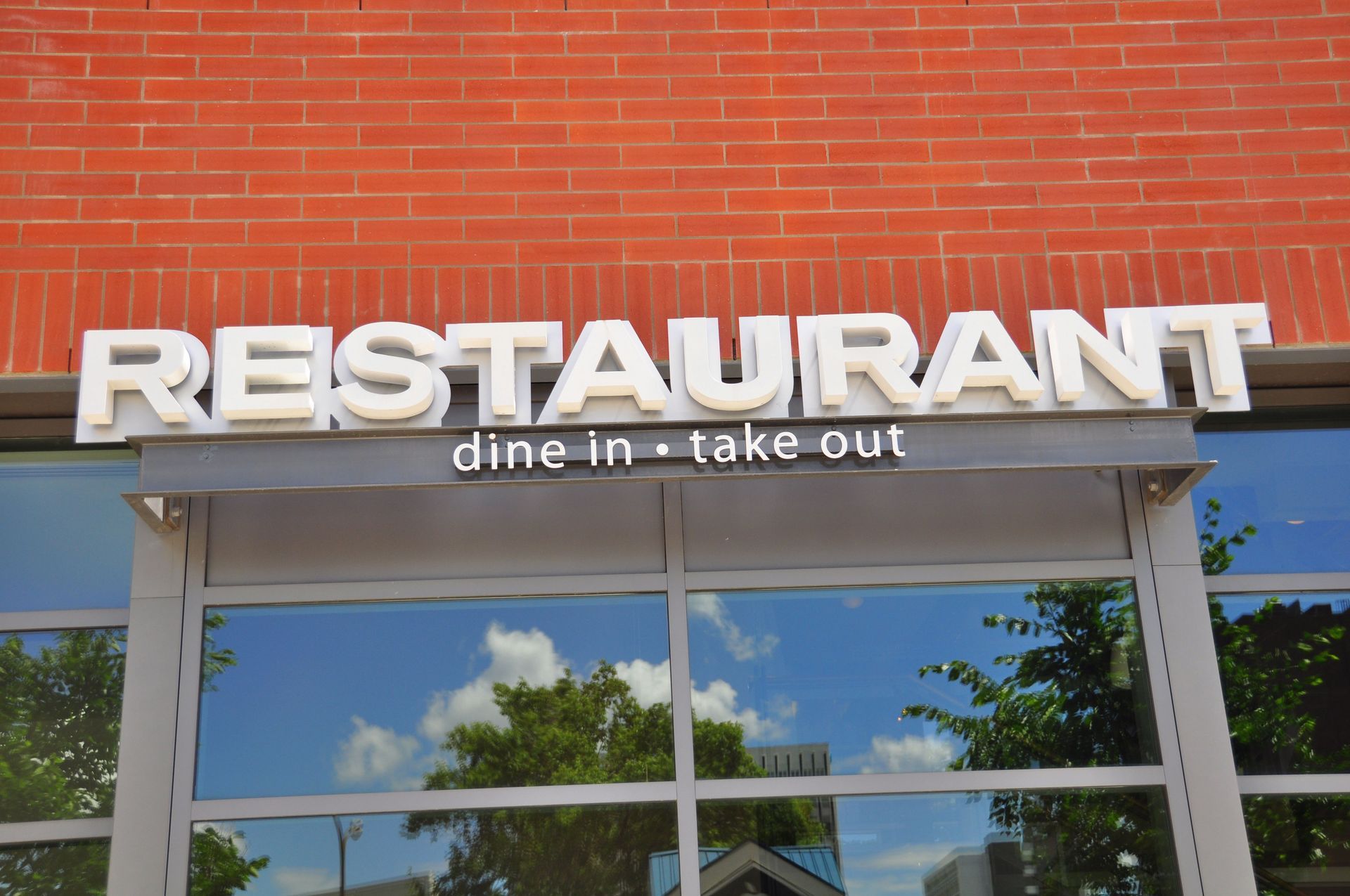
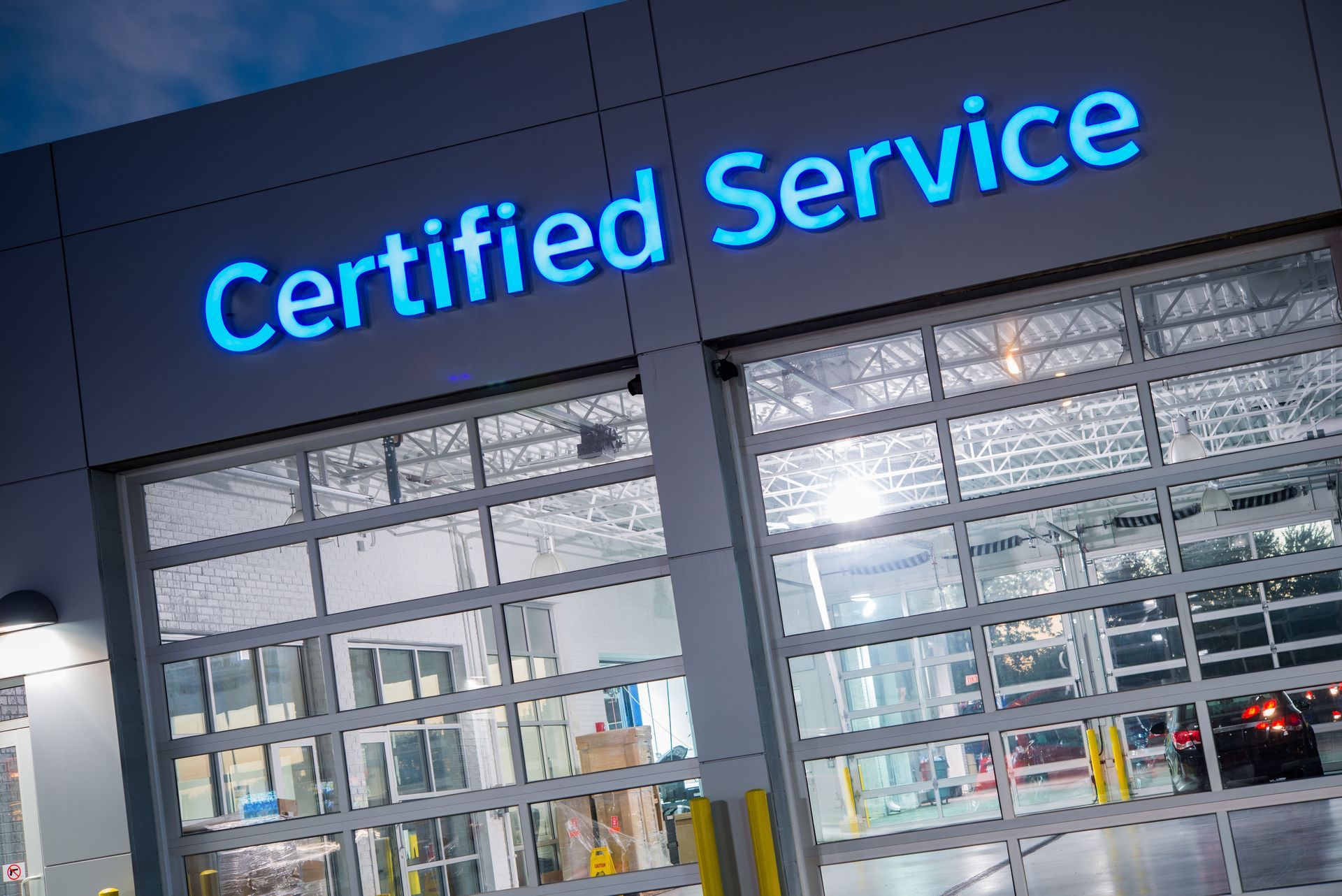
Channel letters are three-dimensional individual letters commonly installed on storefronts and commercial buildings. They can incorporate illumination to improve nighttime visibility and create a polished appearance. Because installation may involve electrical work and building-specific requirements, professional planning is especially important.
Vehicle wraps turn cars, vans, and trucks into mobile advertising platforms. Full wraps cover most of a vehicle's exterior, while partial wraps and decals provide more targeted branding at different price points.
How Do Pricing Structures Vary Among Sign Companies?
Custom sign pricing depends on several factors, making it important to understand what drives the total project cost. Size is an obvious consideration, but materials, design complexity, lighting, fabrication methods, and installation requirements can have an equally significant influence.
Material choices affect both upfront expenses and long-term value. A basic printed banner generally costs less than a large illuminated sign with a metal structure and custom finishes. However, inexpensive materials may require more frequent replacement in demanding environments. Businesses should weigh initial costs against expected durability, maintenance needs, and appearance over time.
Design complexity also influences pricing. Standard lettering or a simple logo may require relatively little preparation, whereas intricate artwork, dimensional elements, unusual shapes, or specialized finishes can increase labor and production expenses. Some providers include a defined amount of design work in their quotes, while others charge separately for consultation, artwork preparation, or additional revisions.
Installation represents another major variable. A small interior sign may be straightforward to mount, while a large exterior display could require specialized equipment, electrical connections, structural supports, or traffic management. Permitting and site preparation may add further expenses.
What Are the Latest Trends in the Signage Industry?
The signage industry continues to evolve as businesses explore new technologies, sustainable materials, and more interactive customer experiences. Keeping up with these developments can help organizations choose signage that meets current needs while remaining adaptable.
Digital signage is one prominent trend. Modern displays allow businesses to update promotions, pricing, announcements, and other information quickly. Some systems support scheduling, remote content management, and integration with sales or operational platforms. Restaurants can change menus throughout the day, while retailers can coordinate promotional messaging across multiple locations. These capabilities offer flexibility, although businesses should account for software costs and ongoing technical support.
Augmented reality is another emerging possibility. By scanning a marker or interacting with a compatible application, customers may access additional product information, demonstrations, or interactive experiences through their smartphones. Although adoption varies by industry and budget, these applications can connect physical signage with digital marketing. Businesses should prioritize a clear customer benefit rather than adding technology simply because it is available.
Sustainability is also receiving greater attention. Some providers offer recyclable substrates, responsibly sourced materials, energy-efficient LED lighting, and production methods designed to reduce waste. Reusable display systems and replaceable graphic panels can further extend the usefulness of signage. Businesses interested in sustainable options should ask for specific information about material composition, recyclability, and expected service life.
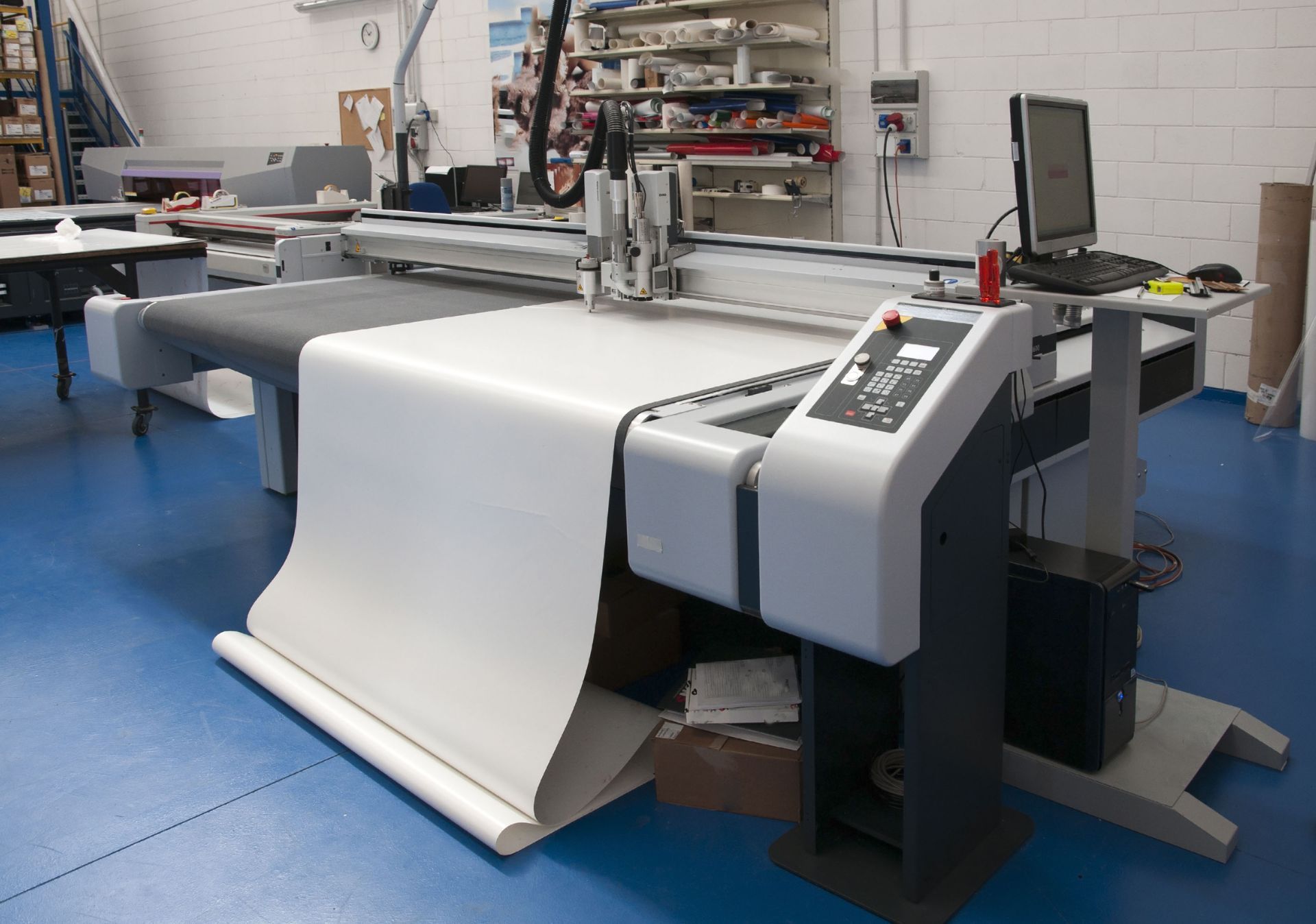
Customization remains important, too. Advances in printing and fabrication make it easier to produce detailed graphics, dimensional lettering, distinctive finishes, and consistent branding across different formats.
Sign companies that invest in modern equipment and stay informed about evolving production methods may offer businesses more creative options without compromising practical requirements.
Choosing the right sign company is an important decision for businesses seeking stronger visibility, consistent branding, and effective communication with customers. If you need a custom sign, contact Sign Vision Company, Inc today!