September 30, 2026
A business sign often provides the first visual introduction to a company. Before customers enter a building, speak with an employee, or visit a website, signage can communicate who the business is and what it offers. Effective signage must do more than display a name or logo. It needs to attract attention, remain readable from an appropriate distance, complement the surrounding property, and reinforce the company's visual identity.
Designing custom business signs for visibility requires careful consideration of the location, audience, building, brand, and intended viewing conditions. Elements such as sign type, size, typography, color, lighting, materials, and placement all influence how effectively a sign communicates. A thoughtful design process brings these elements together so the finished sign is both visually distinctive and practical for its environment.
Establishing a Strong Visual Foundation
Translating Brand Identity Into Signage
The design process typically begins with understanding the business and its brand. A sign should reflect the company's established identity through elements such as its logo, colors, typography, imagery, and overall visual style. Maintaining these recognizable characteristics helps customers connect the physical sign with other experiences they may have with the business, including advertising, printed materials, packaging, and online content.
Custom business signs provide flexibility that allows branding to be incorporated into a sign rather than forcing a business to adapt its identity to a generic template. Designers can determine how prominent the logo should be, how information should be arranged, and which visual elements deserve the most attention. The goal is to create a cohesive appearance while keeping the primary message easy to understand.
Selecting the Appropriate Sign Type
The physical format of a sign has a significant effect on visibility. Different properties and business types may require different signage solutions depending on building architecture, traffic patterns, available space, and viewing distance. Wall signs can identify a storefront directly, while monument signs can provide a prominent presence near an entrance. Pylon signs can extend visibility across larger properties, and channel letters can create a distinct presentation on a building facade.
Other options may serve more specialized purposes. Hi-rise signs can provide identification from greater distances, while LED message centers and electronic signs can accommodate changing information. Determining the appropriate format during the design stage helps ensure the sign is suited to its environment instead of simply being visually appealing in isolation.
Considering the Viewing Environment
A sign is ultimately designed to be viewed in a particular physical setting, so designers must consider how people will encounter it. Drivers, pedestrians, and customers approaching a building may see the same sign from different angles and distances. Nearby structures, landscaping, parking areas, roadways, and other custom business signs can also affect visibility.
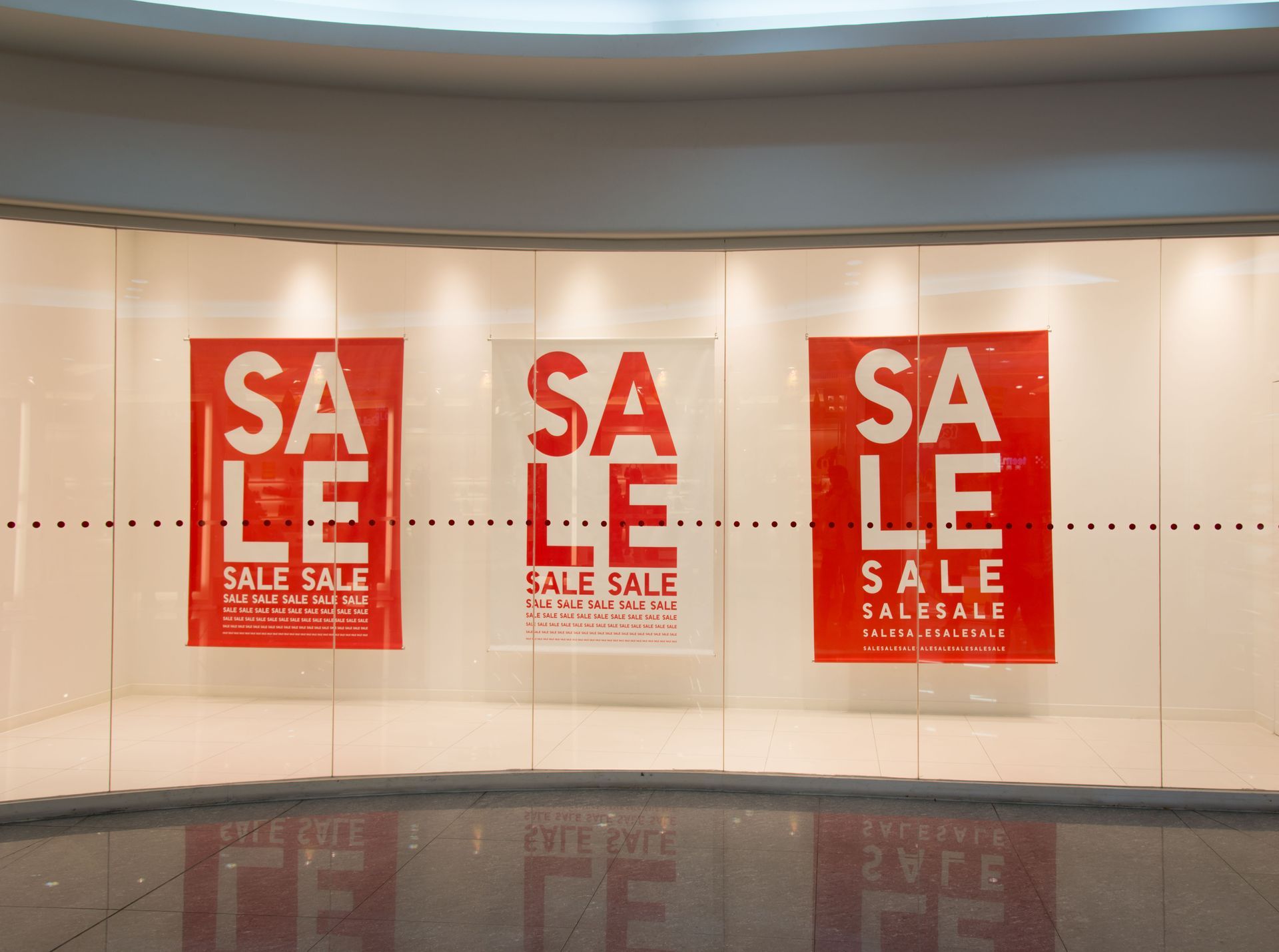
According to Mordor Intelligence, banners, flags, and backdrops represented 31.05% of the U.S. printed signage market size in 2025. This illustrates the substantial role that highly visible graphic signage can play within the broader signage market. When planning a sign, designers can consider viewing distance, sightlines, surrounding visual elements, and available space to determine how the finished piece should be positioned and proportioned.
Designing for Readability and Recognition
Creating Clear Typography and Layouts
Typography has a direct effect on how quickly customers can understand a sign. Letters that are too small, tightly spaced, overly decorative, or poorly contrasted with their background may become difficult to read. Designers must establish a clear visual hierarchy so the most important information receives appropriate emphasis without creating unnecessary clutter.
Custom business signs can be designed around the amount of information that genuinely needs to be communicated. A primary business name or logo generally needs to stand out first, while supporting information can receive less visual emphasis. Careful spacing, proportion, alignment, and letter sizing can help the finished sign communicate its message efficiently, particularly when viewers have only a few seconds to process it.
Using Color and Contrast Effectively
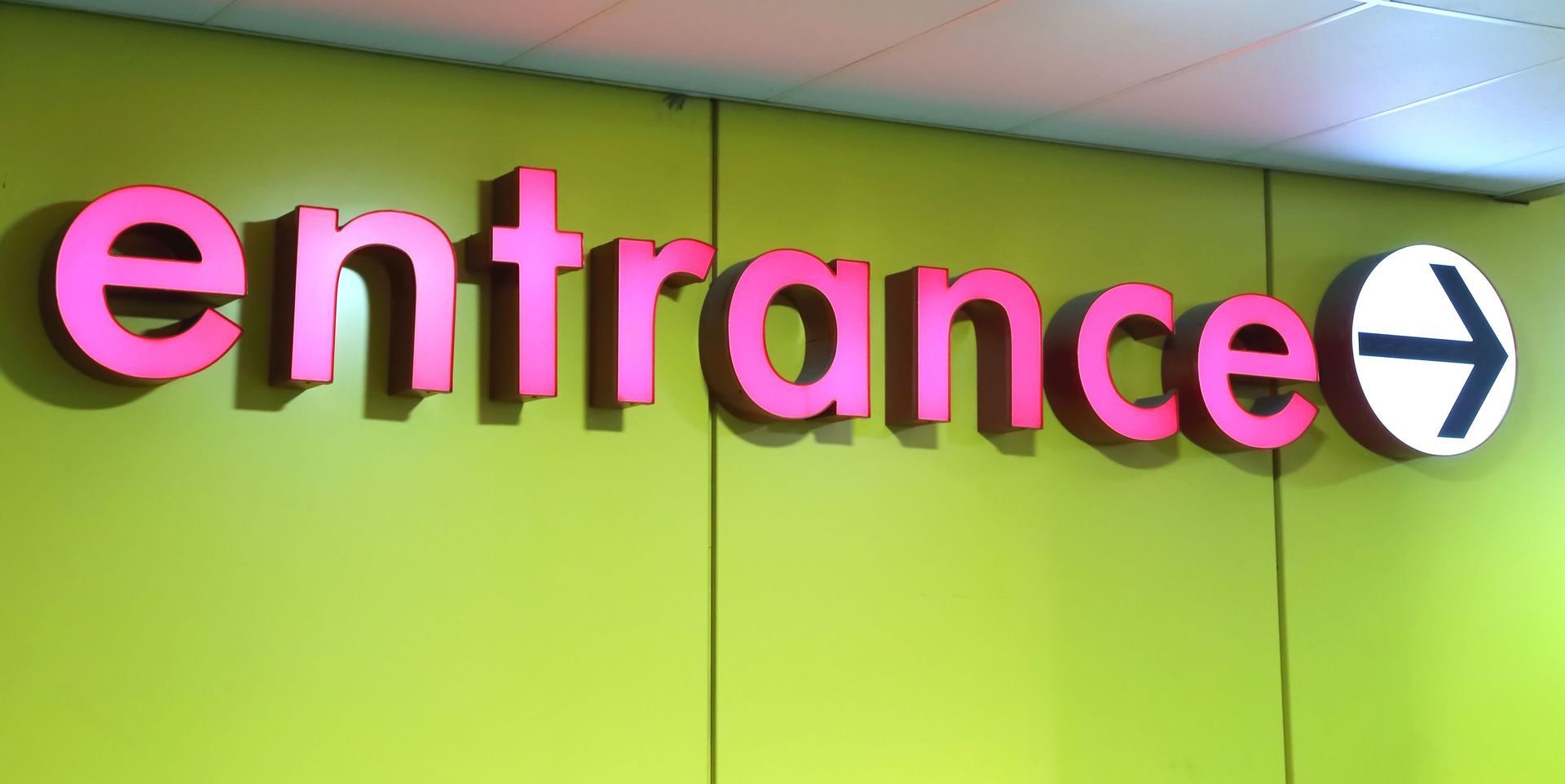
Color choices influence both brand recognition and readability. A sign may incorporate established brand colors, but those colors still need to work effectively in the physical environment. Strong contrast between lettering and its background can improve legibility, while combinations with insufficient contrast may cause important information to go unnoticed.
Designers also consider how colors interact with building materials, surrounding structures, landscaping, and other visual elements. The objective is not necessarily to use the brightest colors available. Instead, the design should create enough distinction for the sign to be noticed while maintaining a cohesive relationship with the business's overall branding and property.
Balancing Graphics With the Primary Message
Graphics, logos, photographs, and decorative elements can make signage more distinctive, but excessive visual detail can interfere with communication. A successful design establishes priorities so viewers can quickly identify the business and understand the intended message. Every element should have a purpose within the overall composition.
This is particularly important for custom business signs viewed from moving vehicles or across large properties. Complex graphics may lose their impact when viewed from a distance, while simple shapes, recognizable logos, and well-spaced lettering can remain identifiable. By balancing creative elements with practical readability, designers can create signage that attracts attention without overwhelming the viewer.
Engineering and Installation for Lasting Visibility
Adapting Designs to the Building
Signage design does not end with graphics. Consider the property's physical characteristics before fabrication begins. Building materials, wall conditions, mounting surfaces, available electrical access, sign dimensions, and structural requirements can influence the final design. A sign that looks appropriate in a preliminary concept may require adjustments once these physical factors are evaluated.
Site surveys can provide important information about the intended installation area. Measurements, visibility studies, structural assessments, traffic flow, and surrounding conditions can help identify potential challenges early. Incorporating these findings into the design helps ensure the finished sign is appropriate for the building and positioned where customers can see it effectively.
Accounting for Engineering and Regulations
Engineering provides the structural foundation behind many commercial signage projects. Larger or elevated signs may require detailed planning related to weight, wind loads, mounting methods, materials, and structural supports. Illuminated custom business signs may also require electrical planning to safely and appropriately accommodate the intended components.
Local zoning requirements and signage codes can influence dimensions, height, placement, lighting, and other design characteristics. Permit requirements may also vary based on the property's location and the type of sign being installed. Addressing these considerations early helps prevent unnecessary redesigns and keeps the project aligned with applicable requirements.
Coordinating Professional Installation
Even a carefully developed design can underperform if installation is not completed accurately. Proper positioning helps preserve intended sightlines, while secure mounting supports the sign's structural integrity. Installation teams must also account for the building surface, mounting hardware, electrical connections, access requirements, and other site-specific conditions.
Professional coordination is especially important for larger signage projects involving multiple phases or specialized equipment. Project management can connect surveying, design, engineering, permitting, fabrication, and installation so each stage supports the next. This organized approach helps maintain consistency between the original concept and the completed installation while reducing avoidable delays or complications.
When businesses invest in carefully planned signage, they gain an opportunity to communicate their identity through a highly visible physical presence. From wall signs and channel letters to monument, pylon, and hi-rise displays, the right solution depends on the property's characteristics and the company's visibility goals. Thoughtful design ensures that the finished sign is not simply noticeable, but also recognizable, readable, and appropriate for its surroundings.
Ultimately, custom business signs are designed for increased visibility by combining brand strategy with practical design, engineering, and installation considerations. When each element is planned around how customers will actually encounter the sign, businesses can create a strong visual presence that communicates their identity and supports easier recognition. A well-designed sign becomes an integrated part of the property and an ongoing point of contact between the business and its customers.
Contact Sign Vision Company, Inc today for custom business signs that increase visibility and strengthen your brand presence.